How To Manufacture The Beads
Modern mass-produced beads are generally shaped by carving or casting
, depending on the material and desired effect. In some cases, more specialized metalworking or glassworking techniques may be employed, or a combination of multiple techniques and materials such as cloisonn. ----fashion-china-jewelry.comGlassworking
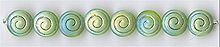
Share:
Pressed glass beads

Share:
Fire polished beads (10millimetres (0.39in)) with AB coating
Most glass beads are pressed glass, mass-produced by preparing a molten batch of glass of the desired color and pouring it into molds to form the desired shape. This is also true of most plastic beads.
A smaller and more expensive subset of glass and lead crystal beads are cut into precise faceted shapes on an individual basis. This was once done by hand, but has largely been taken over by precision machinery.
"Fire-polished" faceted beads are a less expensive alternative to hand-cut faceted glass or crystal. They derive their name from the second half of a two-part process: first, the glass batch is poured into molds with faceted shapes and allowed to cool; the faceted beads are then poured onto a tray and briefly reheated just long enough to melt the surface, "polishing" out any minor surface irregularities from the mold. --------fashion-china-jewelry.com
Specialized glass techniques/types

Share:
Dichroic beads (10millimetres (0.39in))

Share:
Furnace glass beads
There are several specialized glassworking techniques that create a distinctive appearance throughout the body of the resulting beads, which are then primarily referred to by the glass type.
If the glass batch is used to create a large massive block instead of pre-shaping it as it cools, the result may then be carved into smaller items in the same manner as stone. Conversely, glass artisans may make beads by lampworking the glass on an individual basis; once formed, the beads undergo little or no further shaping after the layers have been properly annealed. ---------------- fashion-china-jewelry.com
Most of these glass subtypes are some form of fused glass, although goldstone is created by controlling the reductive atmosphere of the glass batch rather than by fusing separate components together.
Dichroic glass beads incorporate a semitransparent microlayer of metal between two or more layers. Fibre optic glass beads have an eyecatching chatoyant effect across the grain.
There are also several ways to fuse many small glass canes together into a multicolored pattern, resulting in millefiori beads or chevron beads (sometimes called "trade beads"). "Furnace glass" beads encase a multicolored core in a transparent exterior layer which is then annealed in a furnace.
More economically, millefiori beads can also be made by limiting the patterning process to long, narrow canes or rods known as murrine. Thin cross-sections, or "decals", can then be cut from the murrine and fused into the surface of a plain glass bead. ---------- fashion-china-jewelry.com
www.fashion-china-jewelry.com
www.china-wholesalejewelry.com
by: Tiffany .xia